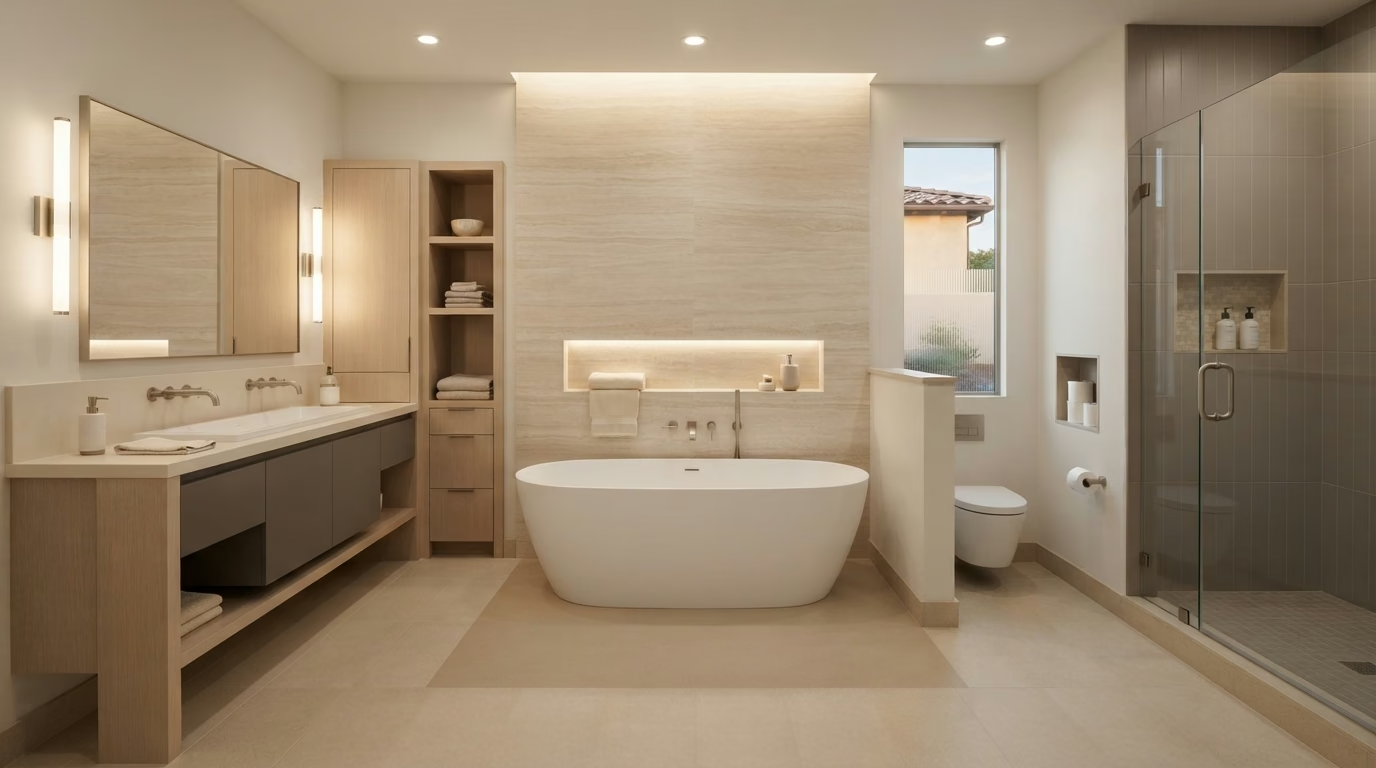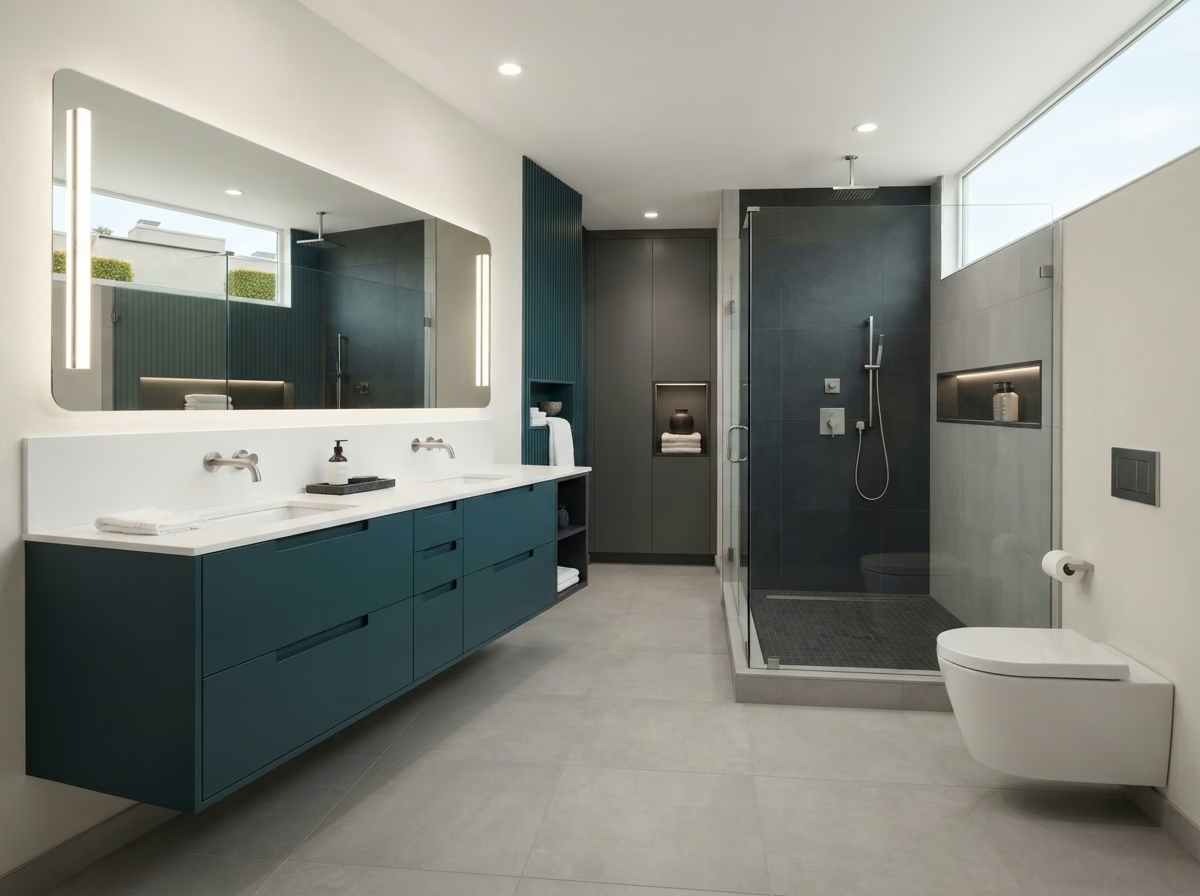
Wet area · Shower
Shower Remodeling in Columbia, CA
A shower remodel succeeds when the enclosure is treated as a waterproof system—not a cosmetic tile swap. In Columbia, that means confirming the pan or receptor, wall waterproofing continuity, slope to drain, valve height, glass decisions, and exhaust that actually vents outdoors.
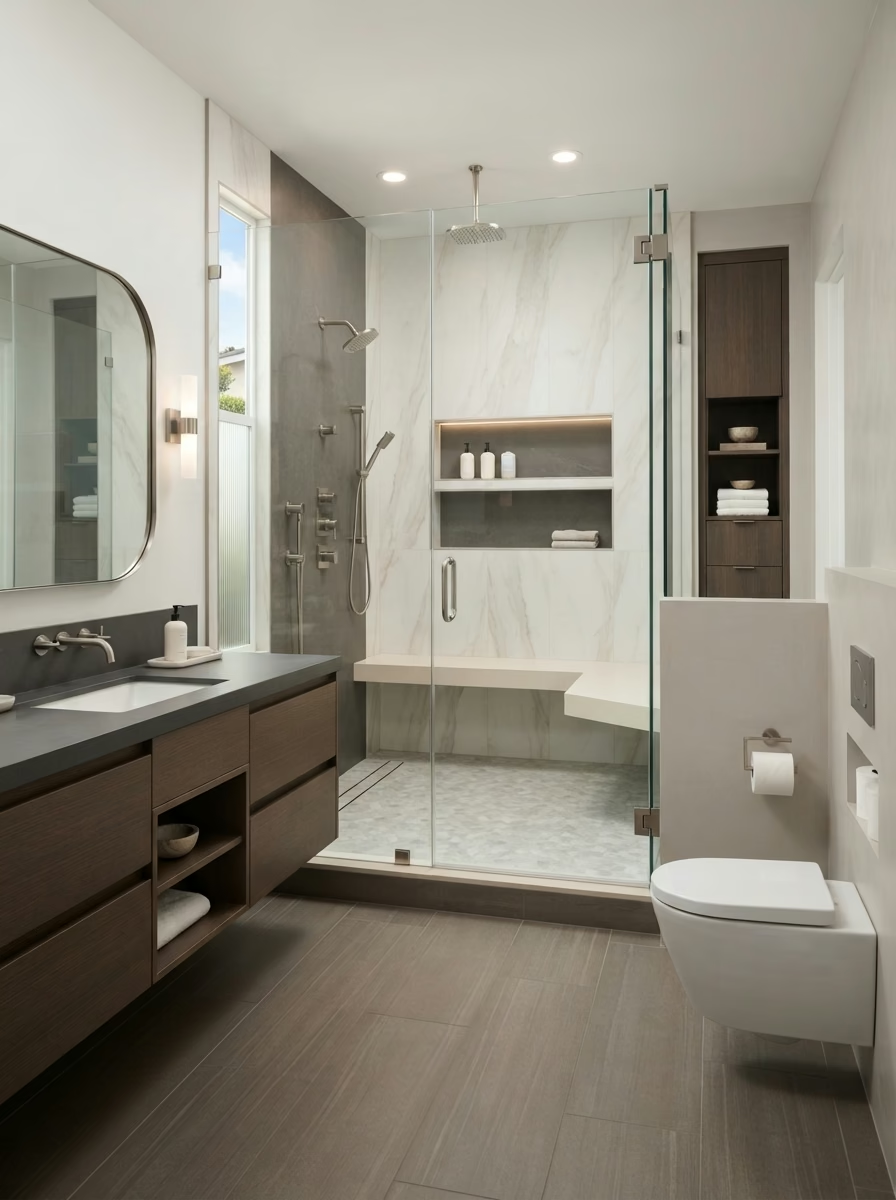
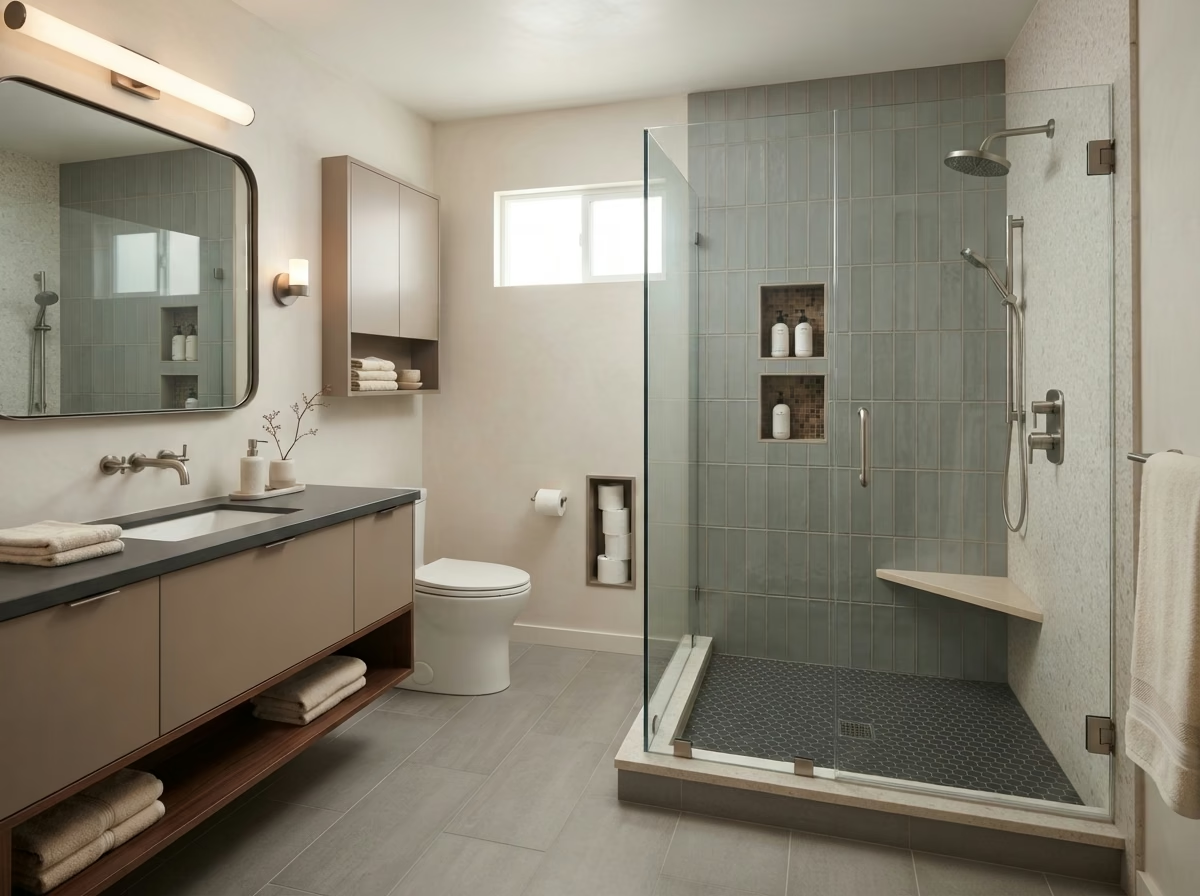
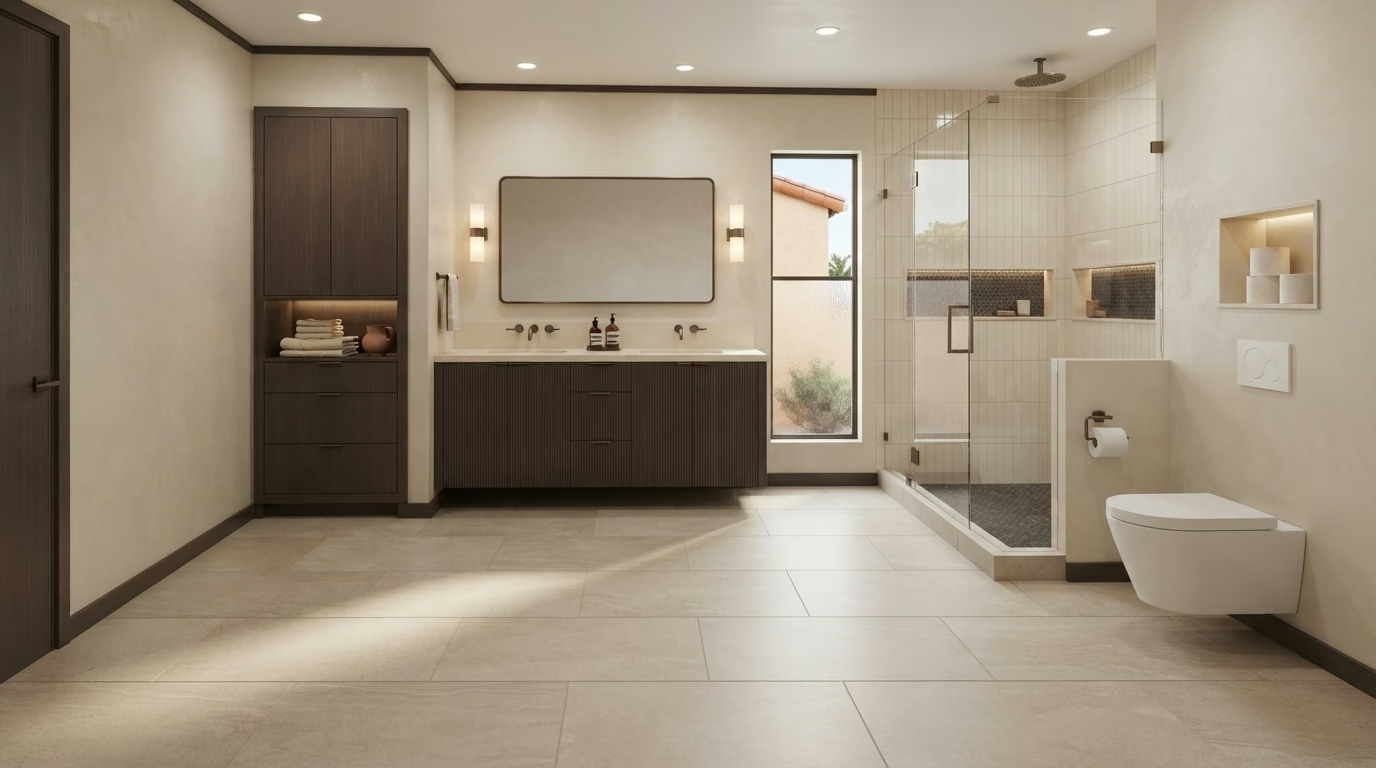
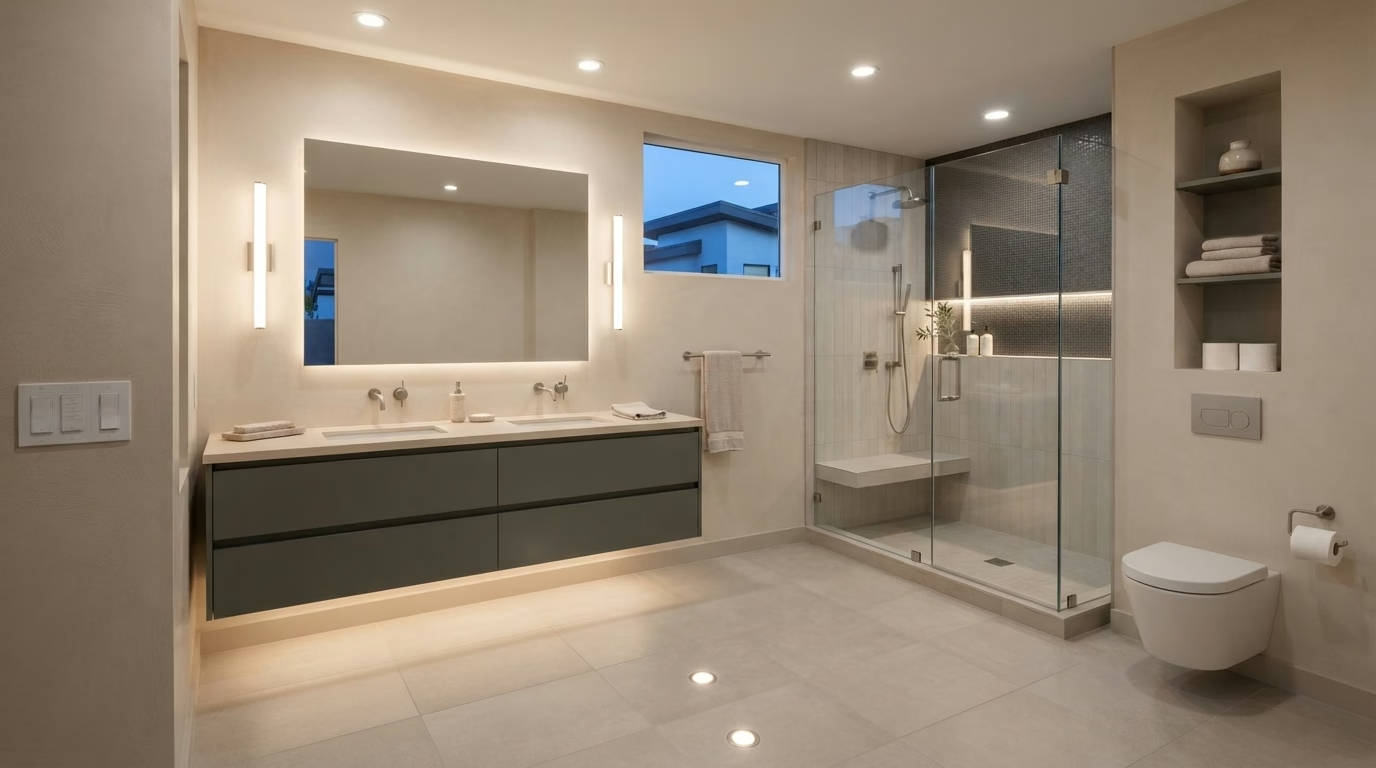
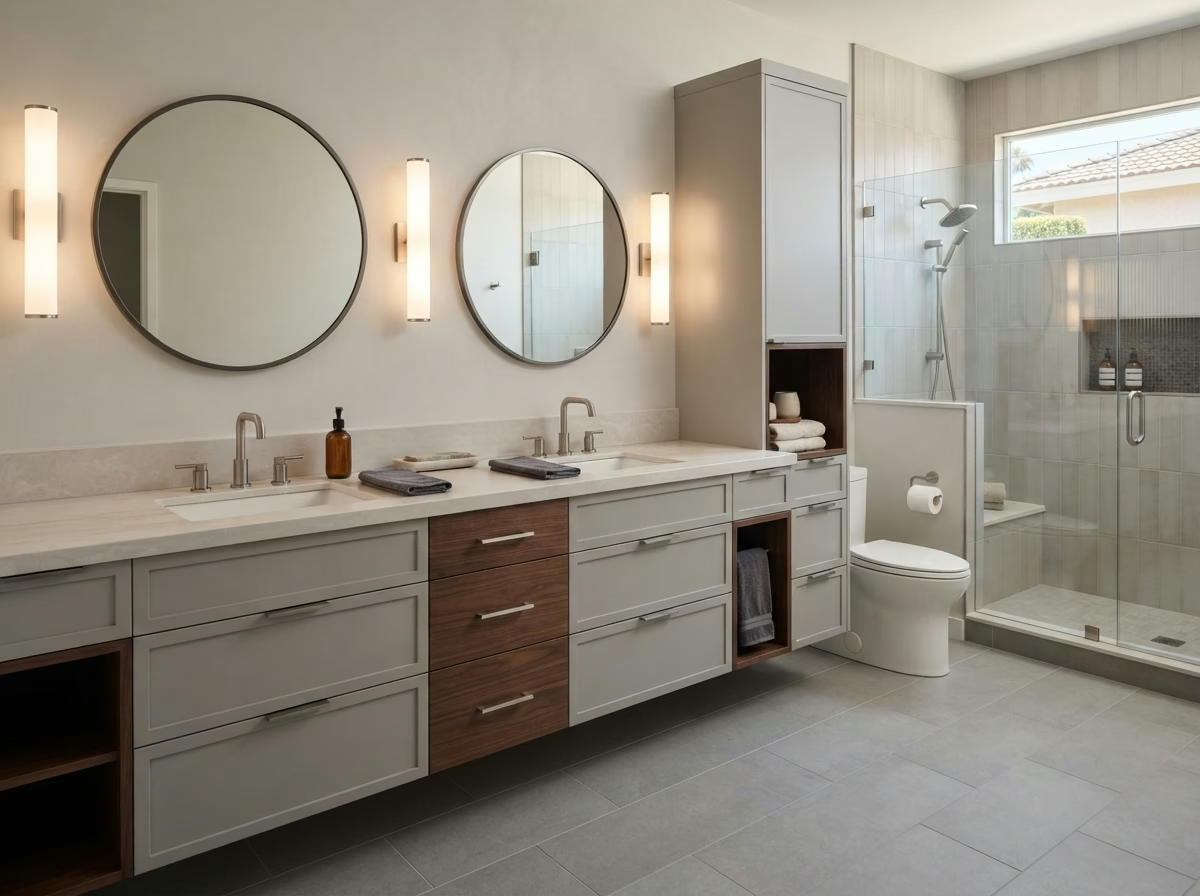
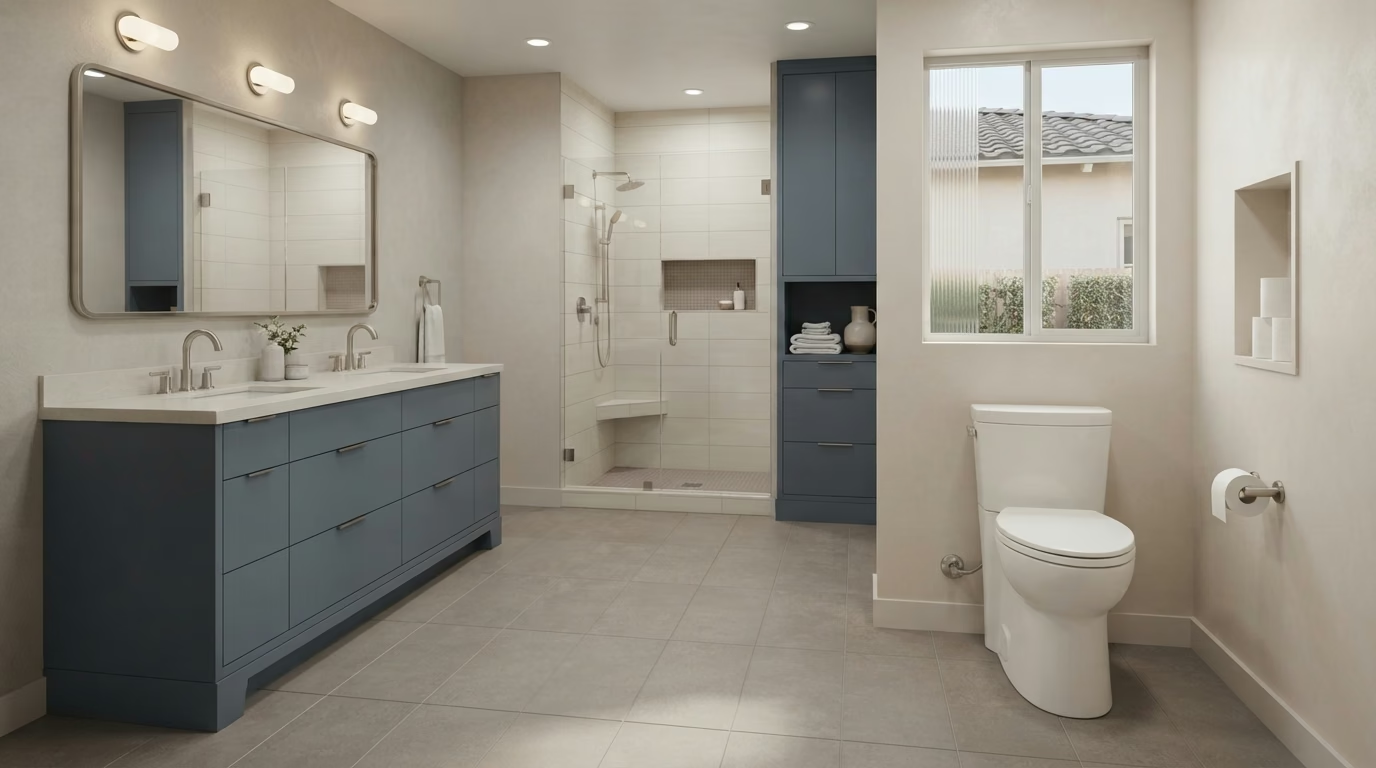
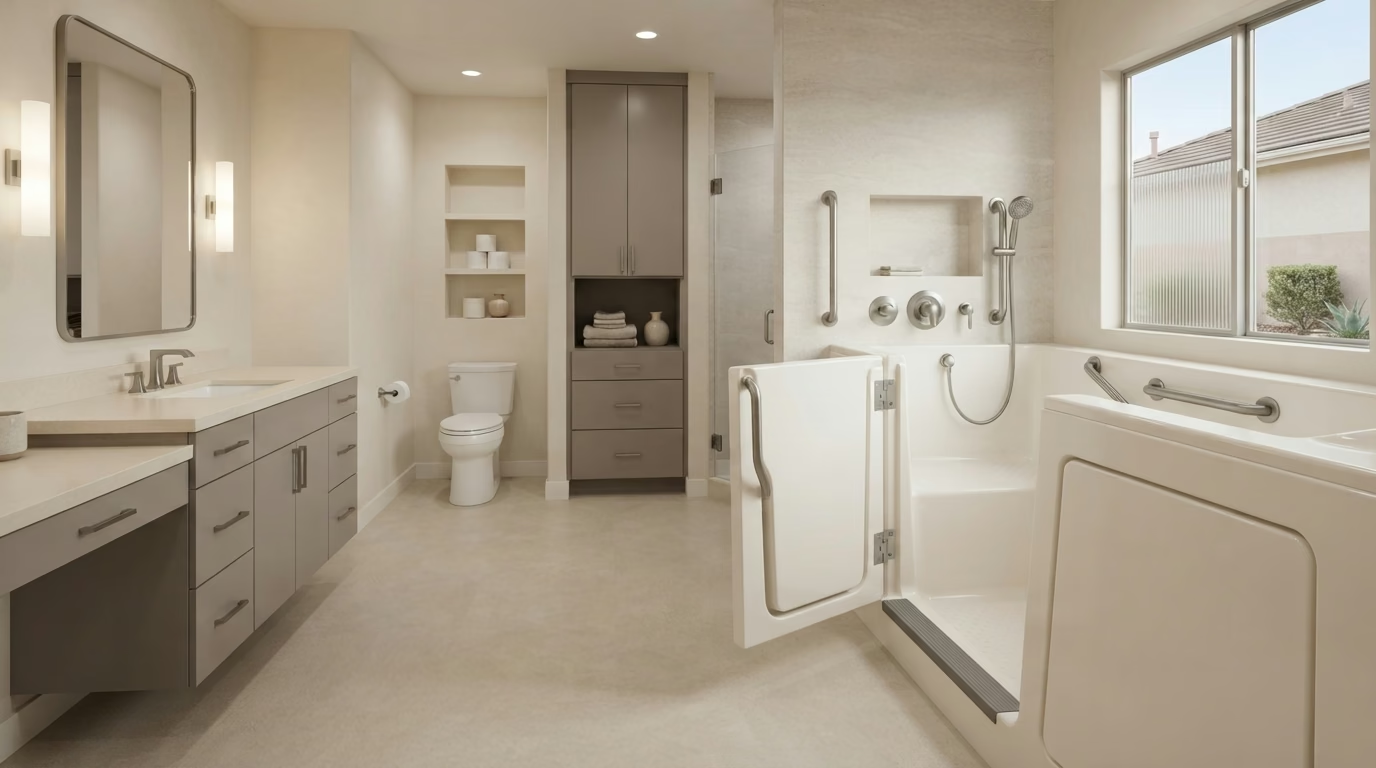
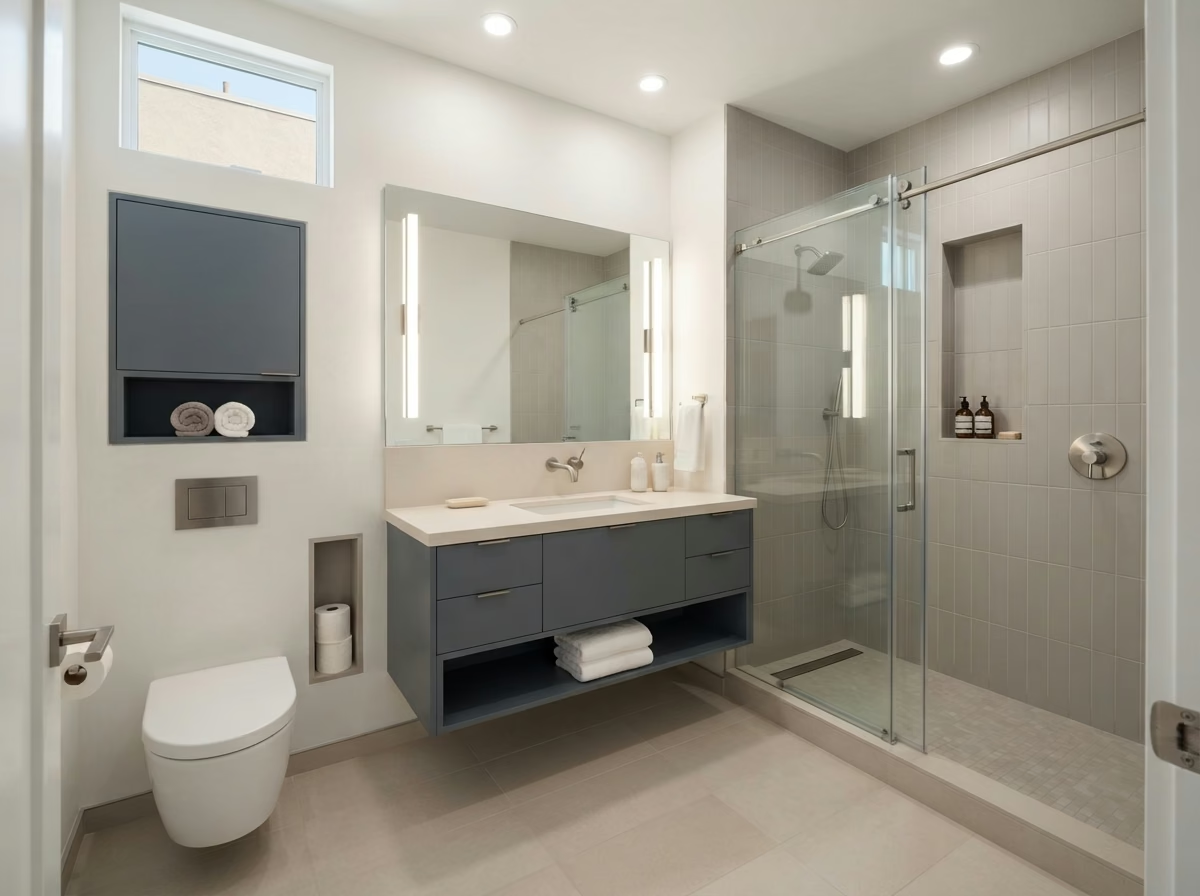
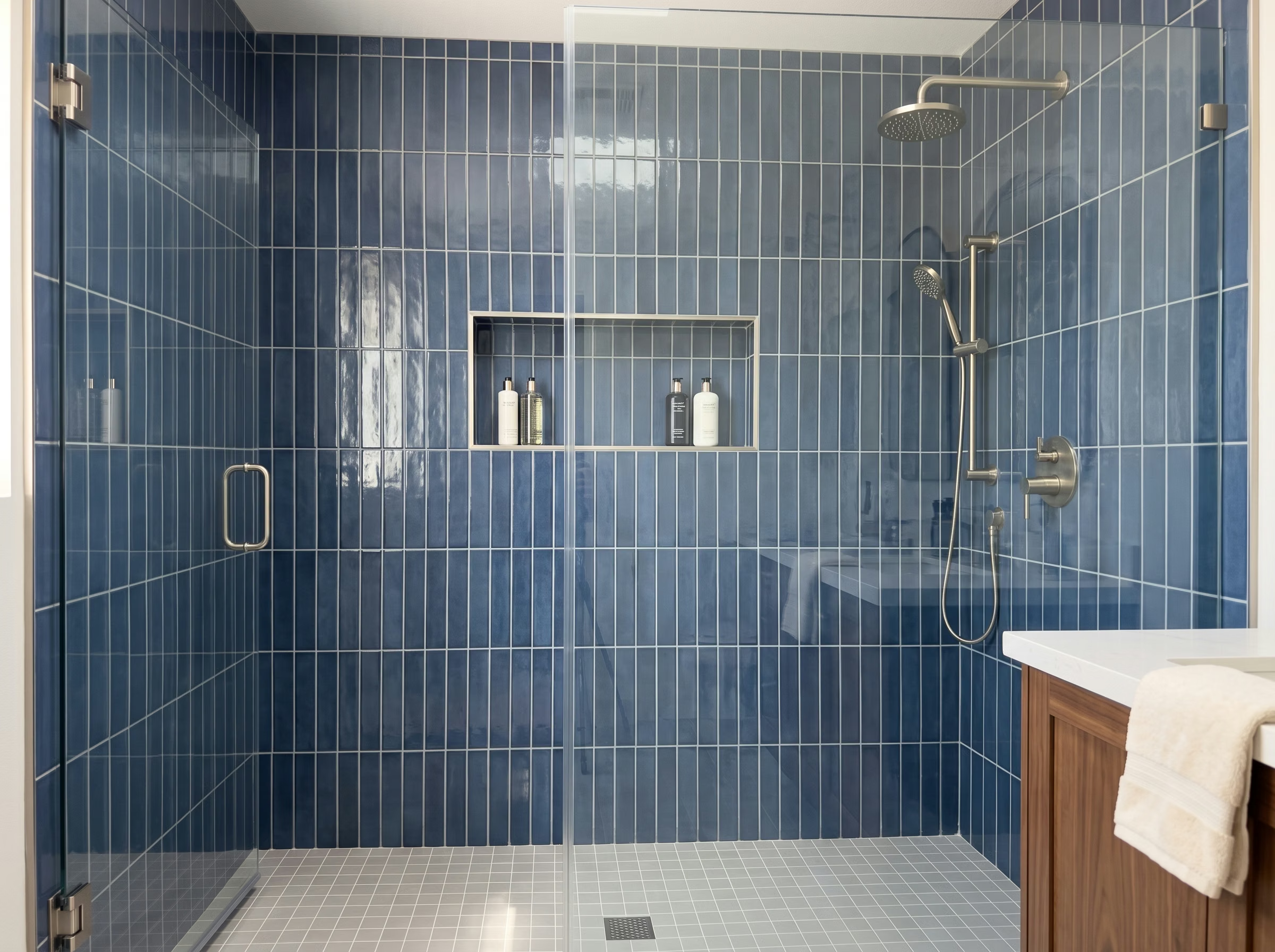
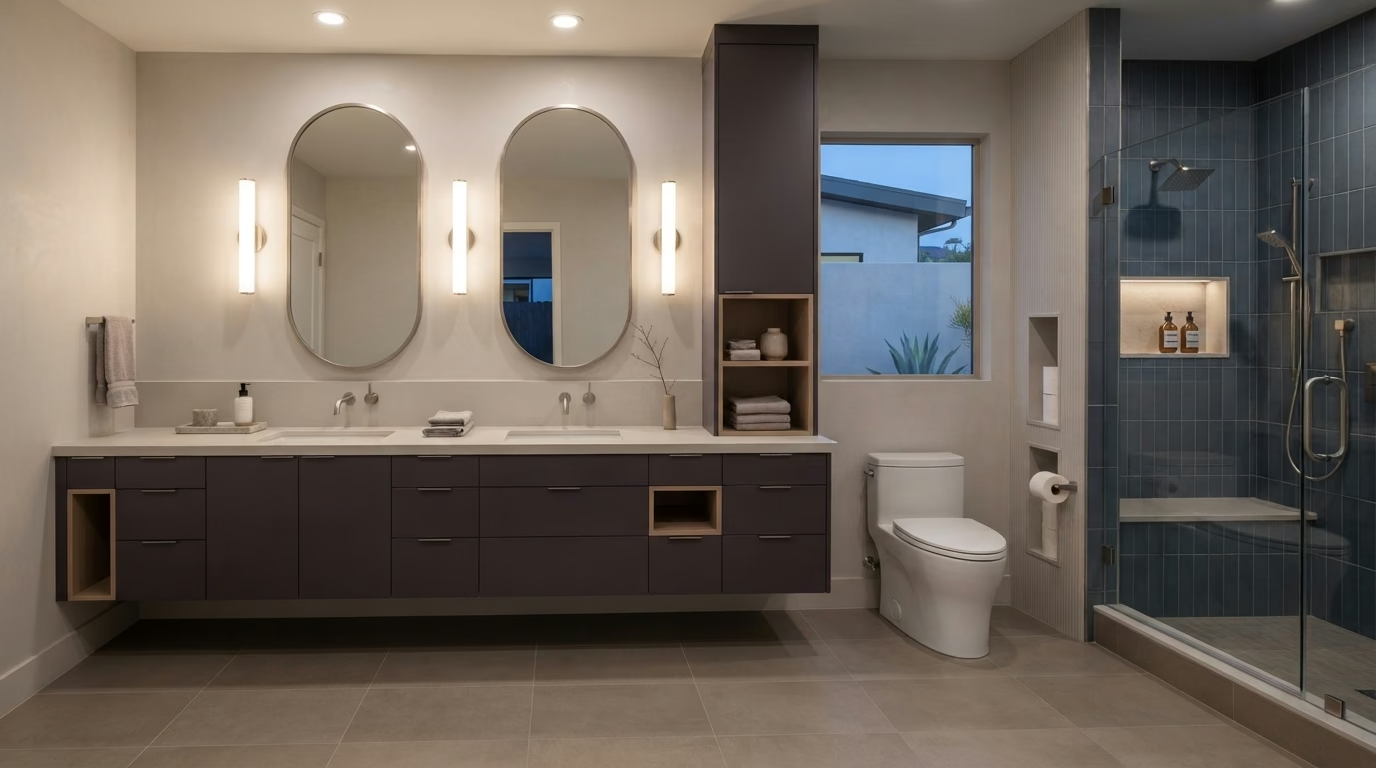
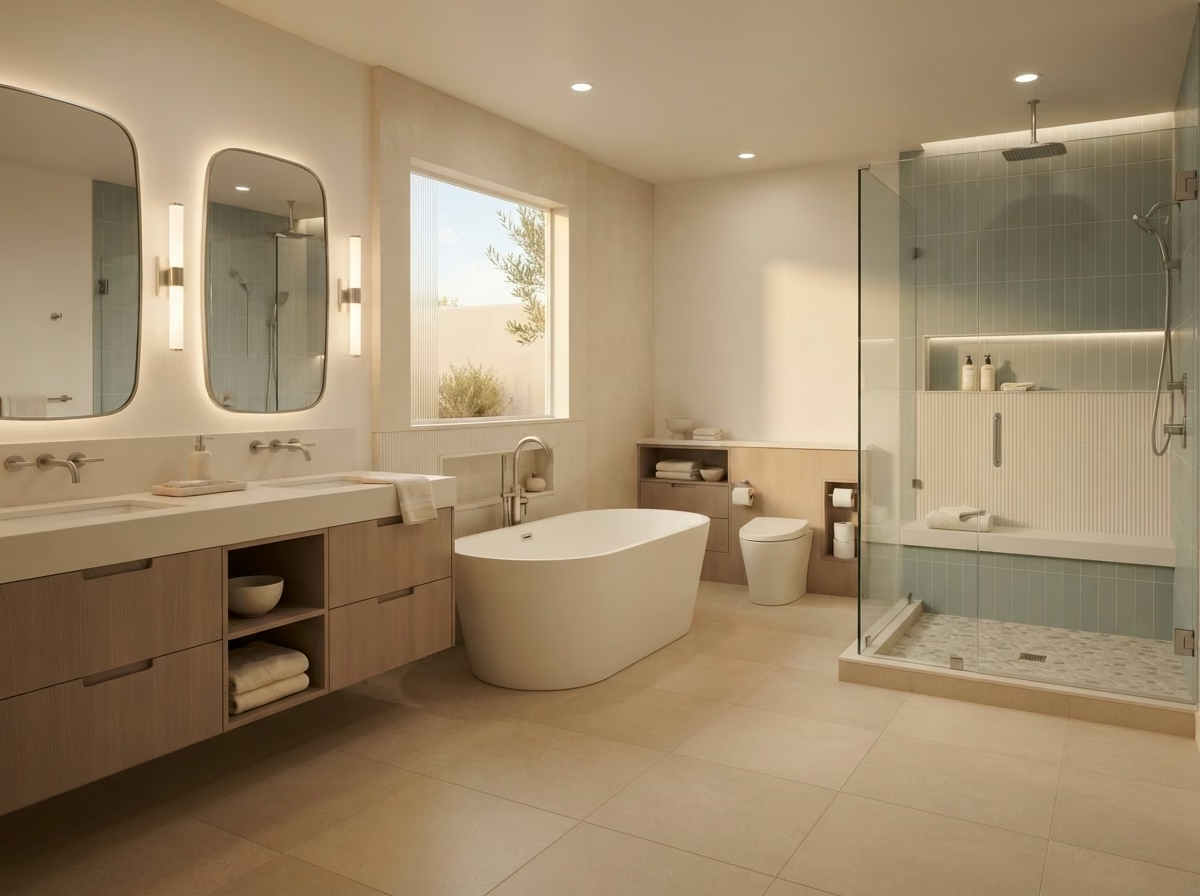
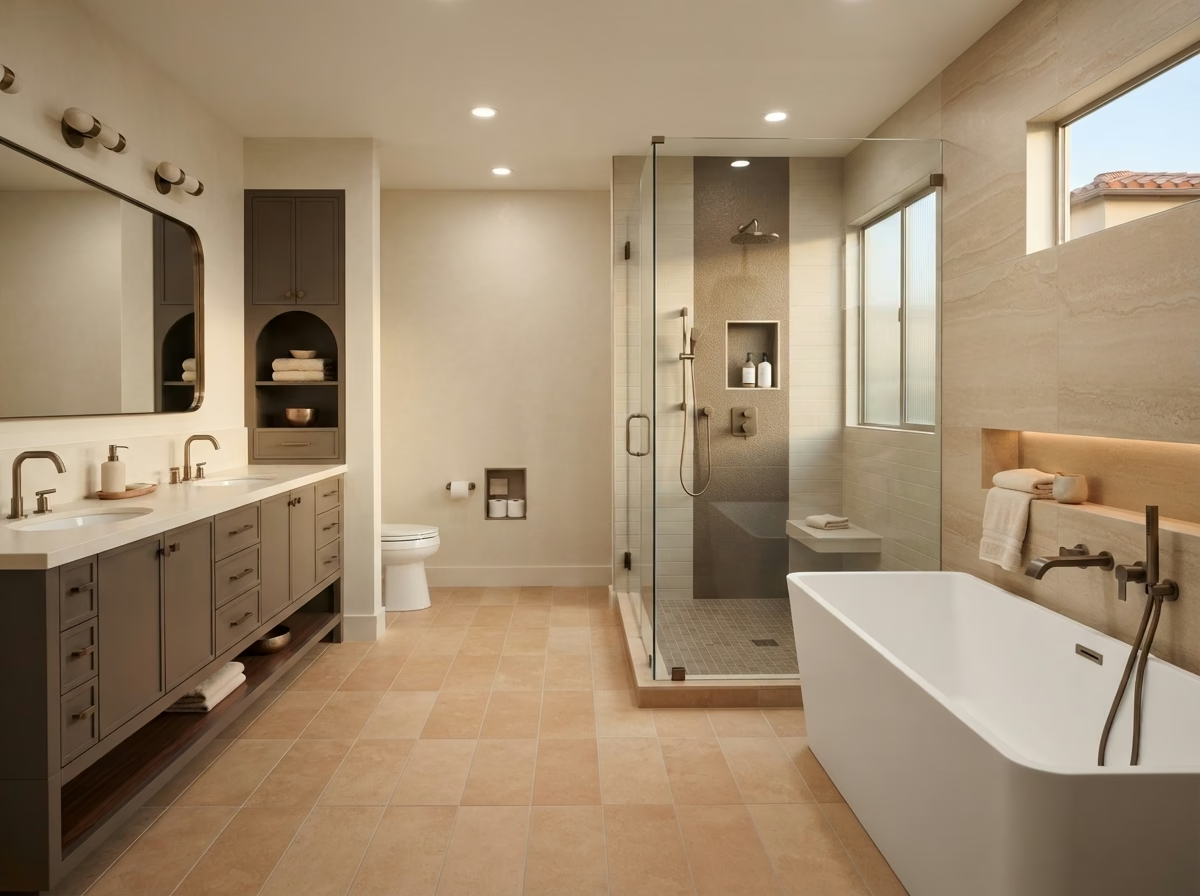
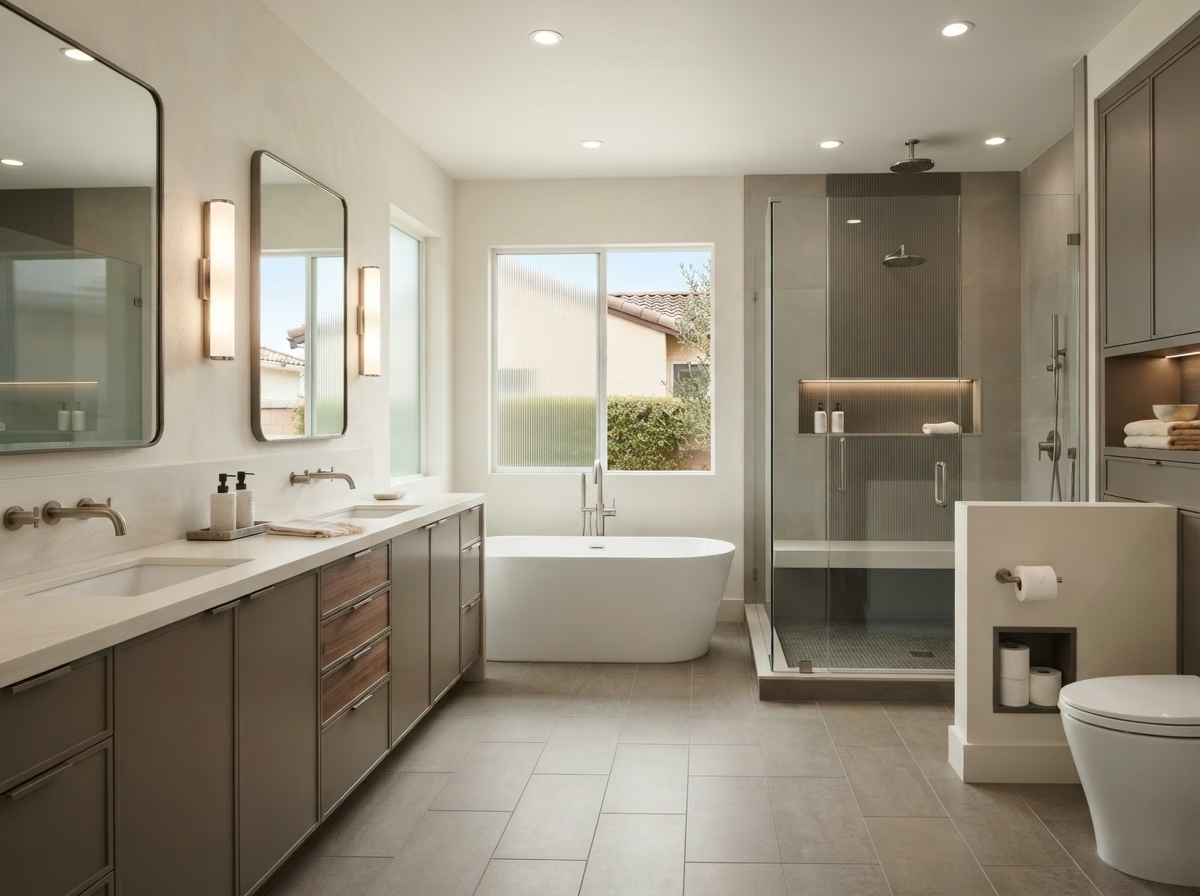
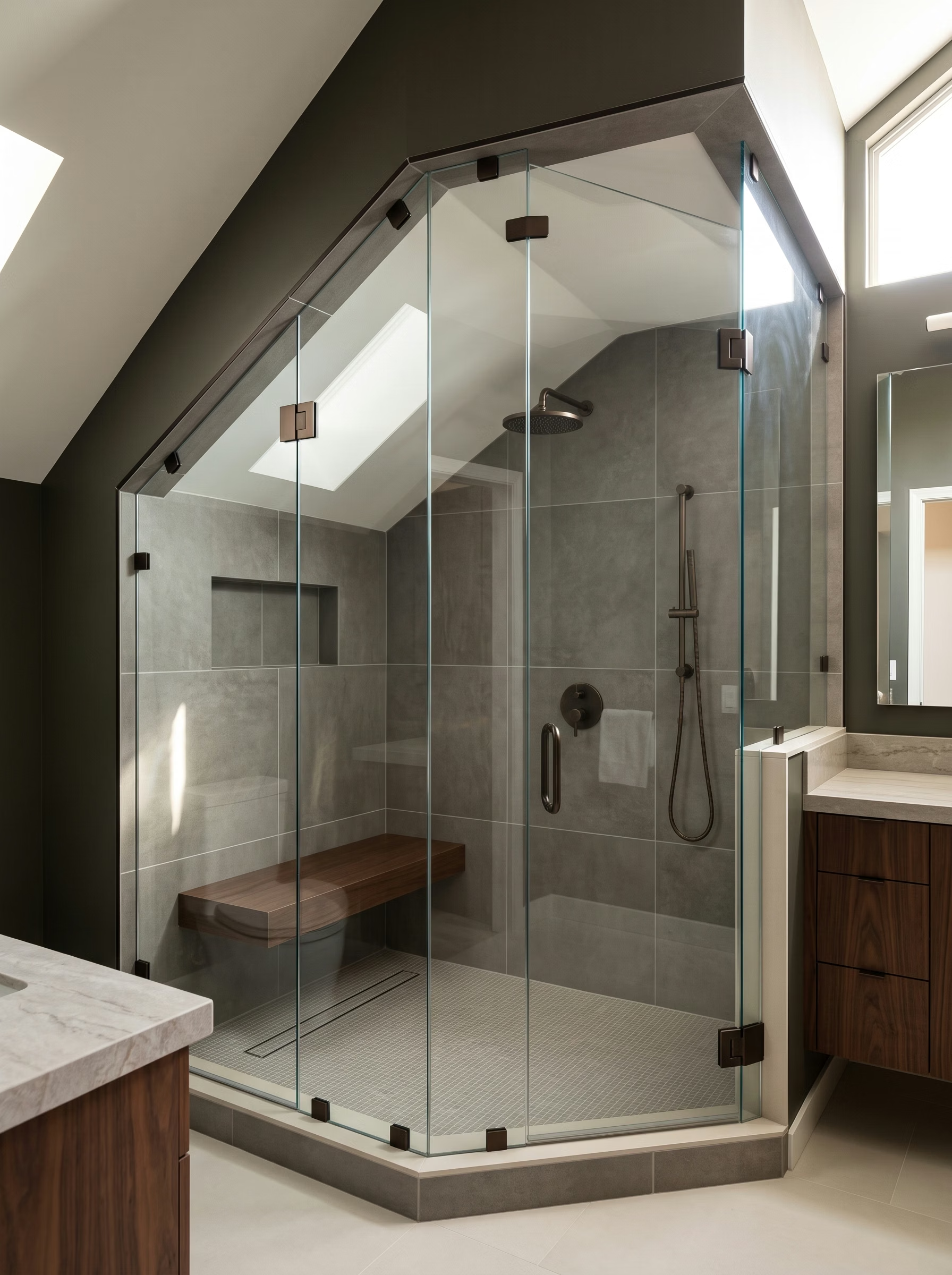
Enclosure size drives almost every later choice. A compact stall needs careful curb or curbless detailing so water stays in the wet zone without crowding the door swing. Larger walk-in layouts can support niches, benches, and dual showerheads—if the valve, drain, and waterproofing are planned together before finishes arrive.
What a thorough shower scope typically covers
- Shower pan / receptor planning and drain location
- Wall board or membrane continuity behind tile or solid surrounds
- Valve, diverter, and showerhead layout
- Niche and bench detailing without creating leak paths
- Glass type, curb height, and threshold decisions
- Exhaust fan capacity and exterior ducting where required
Plumbing changes—relocating a drain, upsizing a valve, or moving a supply—should be confirmed on site. Like-for-like fixture swaps and full wet-area rebuilds can follow different permit pathways through City of San Diego Development Services Department. In Columbia buildings with restricted work hours, waterproofing and glass install days are scheduled around freight and quiet-hour rules.
When glass, tile, and waterproofing are selected as one package, the finished shower is easier to clean and more reliable over time. Niche shelves, benches, and shampoo cubbies are useful only when they are framed and waterproofed with the same care as the field walls—afterthought openings are a common leak path.
Homeowners comparing shower remodeling options in Columbia should also plan ventilation: a quiet, correctly ducted fan protects grout and paint far better than an undersized recirculating unit.
Permit needs follow the work performed and the authority that serves the parcel—confirm the pathway for your Columbia scope before demolition.
In Columbia, fixture delivery and debris staging can control sequencing as much as install labor—path width, parking, elevators, or longer routes should be planned during scoping.